
Technical Compliance, Calibration, Mapping, Monitoring and Validation
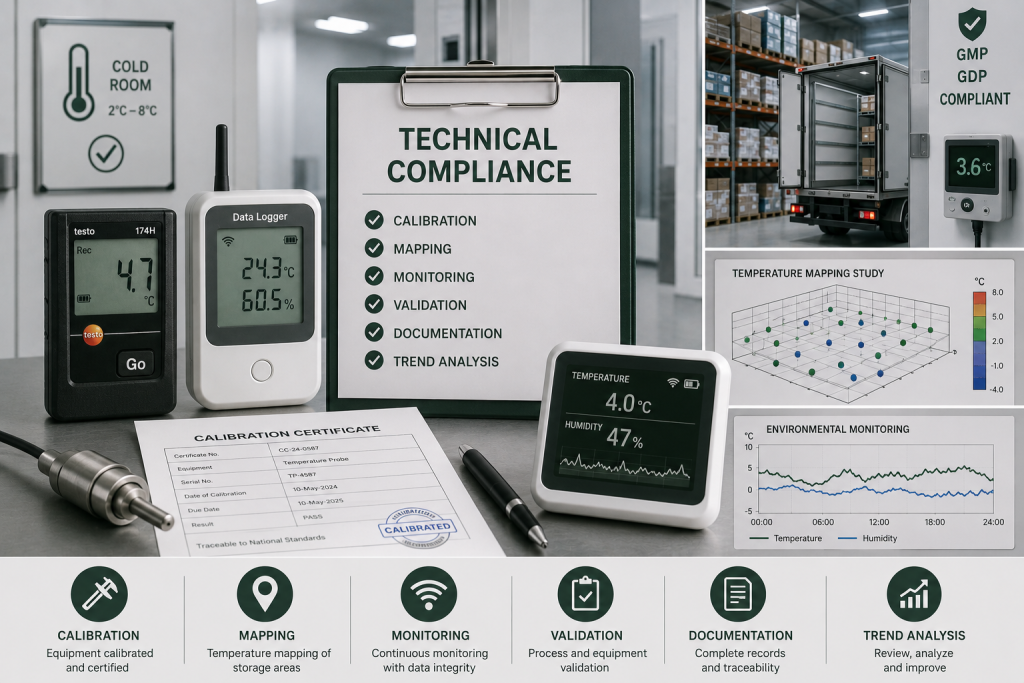
Technical systems are a major part of compliance in pharmaceutical, healthcare, and controlled storage environments. Equipment, temperature monitoring systems, warehouses, cold rooms, vehicles, and data loggers all need documented control. Regulators and auditors increasingly look at the technical evidence behind storage and distribution operations. This includes calibration certificates, temperature mapping studies, environmental monitoring records, validation […]
Business Continuity Plans Must Be Tested

A Business Continuity Plan is only useful if it works during real pressure. Many organizations have BCP documents, but they are often outdated, untested, or unknown to the people who must use them during a disruption. In healthcare and pharmaceutical environments, disruption can come from cold chain failure, supply shortages, key staff absence, infrastructure issues, […]
Supplier Qualification Protects the Whole Supply Chain

In regulated industries, compliance does not stop inside your own organization. Suppliers, distributors, logistics partners, and third party service providers can all create compliance risks. One weak link in the supply chain can affect product quality, patient safety, and regulatory confidence. Supplier qualification helps organizations choose and monitor partners based on risk, capability, and compliance […]
ABAC Compliance in Healthcare Is More Than a Policy

Anti Bribery and Anti Corruption compliance is no longer optional for healthcare, pharmaceutical, and medical device organizations. Ethical conduct is now a core expectation from regulators, principals, partners, and global compliance frameworks. Many organizations have ABAC policies, but a policy alone is not enough. A working ABAC framework needs SOPs, approval workflows, gifts and hospitality […]
CAPA Effectiveness, Closing Issues at the Source
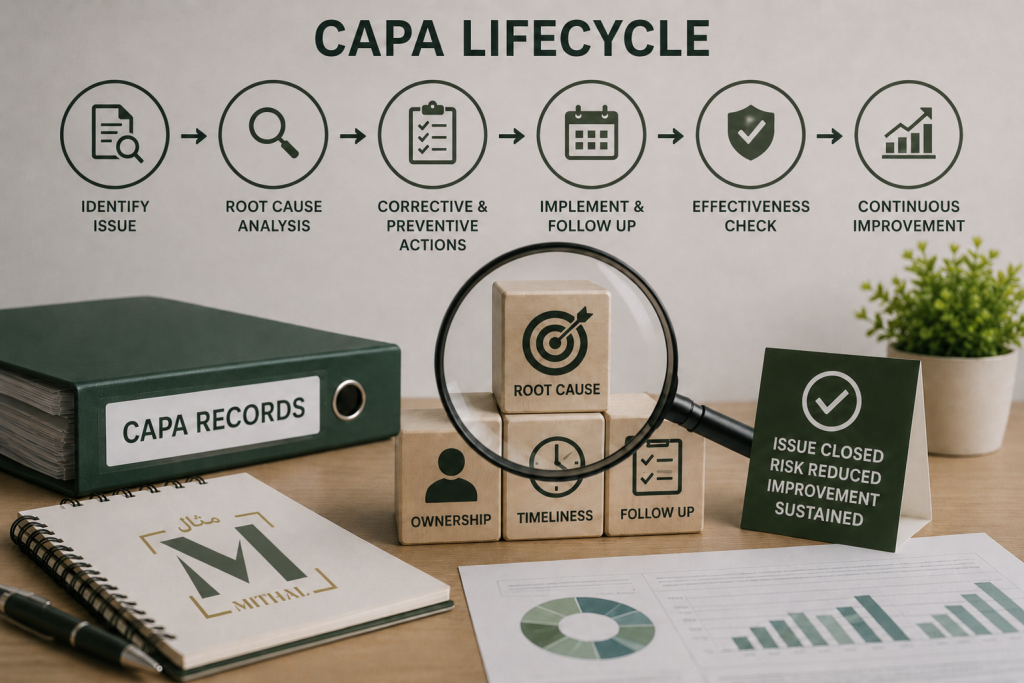
CAPA is one of the most important parts of a quality system, but it is also one of the most common areas where organizations struggle. A CAPA may look complete on paper, but if the root cause is not properly addressed, the same issue can happen again. The purpose of CAPA is not only to […]
Audit Readiness Starts Before the Audit
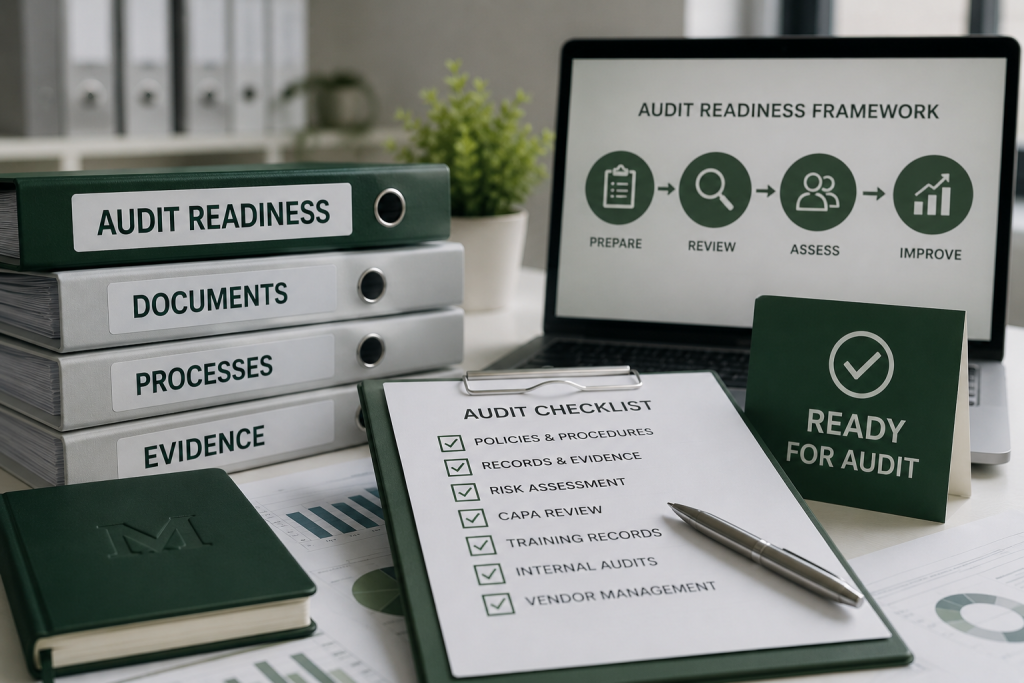
Audit readiness is not something that can be achieved in the final week before inspection. Regulatory inspections and certification audits are high pressure events, and organizations perform better when their systems have already been tested. Many audit findings happen because teams are not prepared to explain their processes, records are incomplete, or CAPA and deviation […]
Why SOPs Fail in Real Operations

SOPs are meant to guide teams, but in many organizations they become documents that exist only for audits. They are approved, filed, and rarely used in daily work. This creates a serious gap between documented compliance and actual practice. SOPs usually fail when they are too complex, unclear, outdated, or disconnected from how work is […]
Why Compliance Should Not Be Reactive

Compliance should not begin when an audit is announced. In regulated industries, many organizations only review their systems when an inspection, client audit, or certification deadline is close. This reactive approach may help pass one audit, but it does not create long term compliance strength. Real compliance is built into daily operations. It is seen […]